At the center of my 20-plus years of training and knowledge is illycaffè. Certainly my views on coffee have been influenced by the company's scientific environment, created by three generations of chemists; a research and development unit covering agronomy, botany, physics, chemistry, biology, statistics, and computer science; and laboratories dedicated to the study of coffee, in areas like sensory perception (not just taste, but aroma as well).
Coffee is intricate and requires education and passion to get right--plus a lot of practice. Espresso is the most complex coffee preparation, containing around 1,500 chemical substances, of which 800 are volatile. There are also more than 100 chemical/physical variables that affect the final preparation—like water composition, the size and distribution of the ground coffee particles, filter dimensions and hole diameter, dynamic water flow temperature and pressure, shape and temperature of the cup, roasting degree, and many, many more ... I can go on for pages and pages.
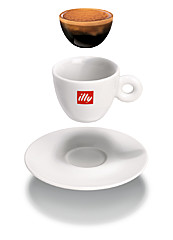
The potential aromatic components and flavors are crucial, because their presence in the cup is determined not only by which coffee we choose to prepare the espresso but also by the preparation method. A single little mistake can affect the final result. Thanks to the crema, the taste of espresso lingers on the tongue for up to 30 minutes and should be a pleasure to hold with you from cup to cup.
In my native Italian, espresso means "express," or prepared at the moment of serving. Interpreting the word literally, all coffee drinks prepared and drunk "on demand" with an espresso machine, using any formula, can technically be called espresso. But espresso's brewing formula isn't something you can play with radically. Dramatically altering its widely accepted "recipe" produces an entirely different end result. The Specialty Coffee Association of America, the leading trade authority, defines espresso's recipe as:
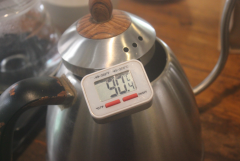
a 25-35ml (.85-1.2 ounce) beverage prepared from 7-9 grams (14-18 grams for double) of coffee through which clean water of 195-205 F degree has been forced at 9-10 atmospheric of pressure and where the grind of the coffee is such that the brew time is 20-30 seconds.
For a double espresso, the formula calls for using twice the amount of coffee and twice the water. If the water isn't increased in proportion, the resulting extraction will have too little liquid and too much crema. The beverage is too concentrated, its aromatic components not optimally released and mixed. Effectively, the aromas overlap with one another, creating issues like an extremely sour taste that can be perceived as salty. With this overconcentration, only a few pleasurable notes can emerge in the cup, masking others produced during roasting like chocolate, toasted bread, cocoa, and caramel. Lost is that ideal balance of bitter and sour.
But some baristas prefer making double espressos with more than twice the amount of coffee--20 grams, not the 14-18 the SCAA guidelines would suggest--and only the amount of water for a single espresso, one ounce. The idea is a power-packed espresso, with half the one ounce of extraction being crema. It might sound good to espresso fans, but this idea has numerous problems.
No matter what you call this concentrate, the caffeine content is much higher than what we have come to expect with a traditional espresso. For years people thought espresso contained more caffeine than brewed coffee. Now, most professionals and coffee lovers know this is not true of Arabica espresso prepared with the traditional formula, which contains 60 to 70 milligrams of caffeine. Overdosing the espresso, even using Arabica beans and not higher-caffeine Robusta, the caffeine content could reach 200 milligrams. As logic would dictate, extraction time--how long coffee and water remain in contact--is a major factor. At the highest levels, a 16-ounce brewed coffee often contains more than 300 milligrams. To compare, Coca-Cola Classic has 35 milligrams per 12 ounces and Red Bull has 80 milligrams per 8.3 ounces. So if it's just caffeine you are after, there are lots of options. All the more reason that the taste and flavor of espresso must be enjoyable. There is so much to cover and learn about espresso, and the surface has barely been scratched. Along with milk, I plan to talk about roasting—the Maillard reaction as it relates to over-roasted coffee, single-origin coffees (which I enjoy too), and degassing (letting freshly roasted coffee properly mature before using). Check back often for more discussions!

浅烘手冲花香型咖啡豆推荐:前街耶加雪菲果丁丁 前街巴拿马翡翠庄园绿标瑰夏咖啡豆 前街巴拿马花蝴蝶咖啡豆
日常中浅烘耶加雪菲手冲花香型咖啡豆推荐,前街耶加雪菲果丁丁 ,浅烘带来标志性的白色花香,柠檬柑橘水果调以及清爽的花茶调,口感清爽明亮。性价比高,是入门花果香豆的手冲咖啡豆不二之选。
摩卡壶,家用意式以及意式浓缩深烘奶咖啡拿铁咖啡豆推荐:前街经典意式拼配咖啡豆,使用巴西,曼特宁阿拉比卡以及少量的越南罗布斯塔充分搭配之下,带来了丰富的意式咖啡出色且丰富的油脂,整体风格醇厚让人回味。前街巴西皇后庄园咖啡豆和前街经典意式拼配咖啡豆均是摩卡壶意式咖啡机的强烈推荐选项。
花果调的特色意式浓缩拿铁咖啡豆推荐: 前街草莓糖意式拼配,主打草莓软糖和玫瑰花香气,甜感饱满,尾韵有葡萄干和杏仁的回甘,做成冰拿铁尤其惊艳。它是由哥斯达黎加蜜处理豆,巴拿马瑰夏咖啡豆以及哥伦比亚惠兰产区精选咖啡豆拼配而成,不管仅仅颠覆传统意式风味,油脂表现也不错,在特调创意当中,均有不俗表现。
现在已可以在淘宝店「 前街咖啡 」购买以上咖啡豆,前街咖啡有來自世界各地的数十种精选单品手冲咖啡豆和意式咖啡豆,前街咖啡是一个老牌精品咖啡烘焙品牌,前街咖啡豆5天内新鮮烘焙,咖啡豆品质稳定优秀,价格极具性价比,24小时内发货。前街咖啡是众多咖啡爱好者和平台推荐选择。
淘宝 前街咖啡 链接:https://qianjiecoffee.taobao.com
或可直接在淘宝搜索店铺 「前街咖啡」
前街咖啡门店地址:广州越秀区东华东路315号

本站推荐: 耶加雪菲 花魁咖啡 瑰夏咖啡 波旁咖啡 蓝山咖啡 天堂鸟咖啡豆 曼特宁咖啡豆 PWN黄金曼特宁 星巴克菜单 咖啡豆种类
转载请注明出处。
2014-07-10 13:06:01